Lifespan of systems, warning noises, and efficiency signs
When you’re buying a home in most parts of Australia, the air conditioning system is more than just a comfort feature — it’s essential. With our long, humid summers, a reliable cooling system can make all the difference to how liveable a home really is.
Unfortunately, air conditioners don’t last forever. Even when they look fine from the outside, they can be well past their best years. And when they fail, replacement costs can easily run into the thousands.
As a home inspector — and someone who’s seen plenty of “cooling catastrophes” right after settlement — I can tell you it pays to know the signs before you buy.
How Long Should an Air Conditioning System Last?
Not all systems are built or maintained the same. On average:
- Ducted air conditioning systems last around 10–15 years with regular servicing.
- Split systems tend to last 8–12 years, depending on brand and usage.
- Evaporative coolers can last up to 15 years, though Brisbane’s humidity can shorten their lifespan.
- Reverse-cycle units (used mostly for cooling here) generally perform well for 10–15 years if maintained properly.
Keep in mind that outdoor units exposed to salt air or heavy rain — common in bayside suburbs like Manly, Sandgate or Redcliffe — may wear out faster due to corrosion.
A simple trick: look for the installation date on the outdoor unit’s compliance sticker. If it’s more than a decade old, plan for replacement sooner rather than later.
Warning Signs a System Is Near the End
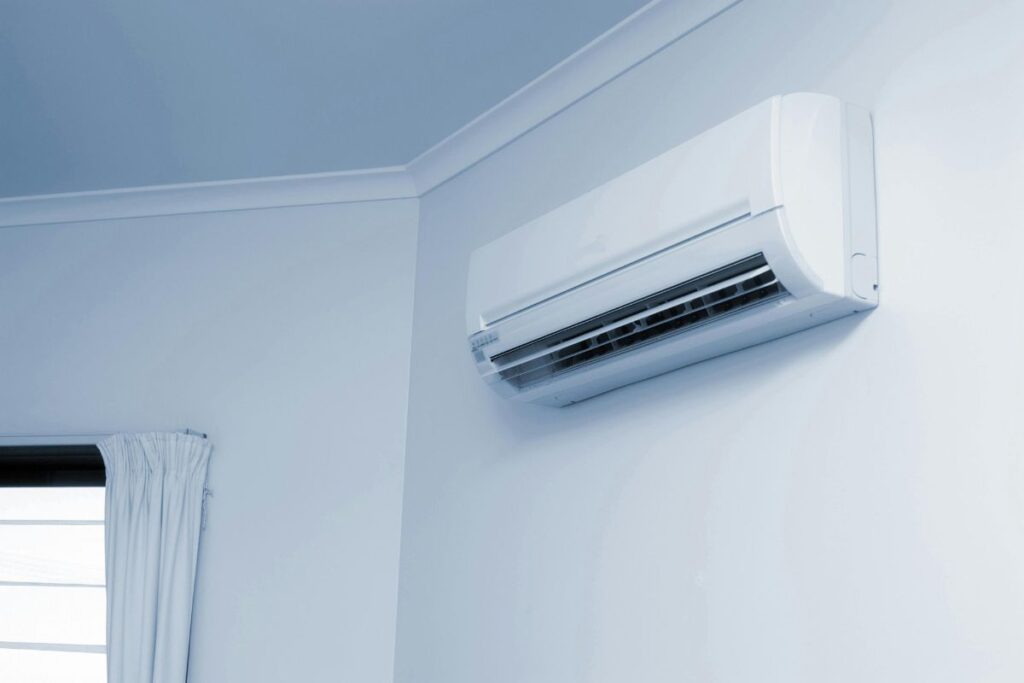
During open homes or pre-purchase inspections, you can often spot early signs that an air conditioner’s on its last legs:
- Loud or unusual noises – grinding, buzzing, or rattling could indicate failing motors, loose parts, or compressor issues.
- Weak airflow – if the air feels faint or uneven, the fan or ducts might be struggling.
- Short cycling – systems that turn on and off too often are working inefficiently and wasting energy.
- Unpleasant smells – a musty or mouldy odour often signals poor drainage, clogged filters, or biological growth inside the unit.
- Visible corrosion or water pooling – around the outdoor unit, this points to poor drainage or coil deterioration.
As I like to tell clients, “If the system sounds like a small jet taking off or smells like a wet towel, it’s probably overdue for attention.”
Efficiency Red Flags to Watch Out For
Even if a system seems to work fine, efficiency tends to decline with age — often years before total failure.
Some common indicators include:
- Higher-than-normal electricity bills compared to similar homes.
- Longer cooling times — the system takes ages to bring the temperature down.
- Inconsistent room temperatures, especially at the far end of a ducted system.
- Safety switch keeps tripping when the unit is turned on
- Old energy rating labels — older models with fewer stars use much more power.
For buyers, it’s smart to ask the agent for recent power bills and any maintenance or service records. A well-maintained system usually has stickers showing annual service dates — a good sign the owner cared for it.
What Buyers Can Check During an Open House
Firstly, should the air con unit be turned off during your inspection, don’t be shy and ask if it can be turned on. Once it’s on, you can pay attention to a few quick factors:
- Check the brand and model. A quick online search can tell you the system’s age and efficiency rating.
- Turn it on (if allowed). Listen for unusual noises, check airflow strength, and make sure it blows cold air within a minute or two.
- Look for water or rust around the outdoor unit or ceiling vents.
- Inspect filters — dust buildup usually means poor maintenance.
- Walk through the home. Do all rooms get airflow, or are some noticeably warmer?
These checks can give you a good feel for whether the system’s been looked after — but only a professional inspection can confirm its condition.
What a Professional Inspector Looks For
At Be Sure Home Inspection, we go beyond a basic function test.
When assessing a property’s cooling system, I often engage qualified electricians who specialise in air conditioning installation. Together, we check:
- Electrical safety and circuit capacity.
- Refrigerant lines and insulation quality.
- Ductwork condition — looking for leaks, damage, or insulation breakdown.
- Thermostat accuracy and cycling behaviour.
- Drainage and condensate lines (often the hidden cause of ceiling stains).
- Unit sizing relative to the home — undersized systems wear out faster because they’re constantly overworking.
This level of detail ensures buyers know whether a unit is near the end of its life or still has years of efficient service left.
Replacement Costs and Negotiation Tips
If an inspection shows the system’s on its last legs, that doesn’t have to be a deal-breaker — but it’s something to factor into negotiations.
Replacing a ducted air con system on the Sunshine Coast or Brisbane can cost over $8,000, depending on the size of the home and duct layout. Even a few split systems can add up quickly.
If a property’s air conditioning is dated, consider requesting a price adjustment or repair credit during negotiations. A documented inspection report gives you solid evidence to back up your request.
Conclusion: Know What You’re Breathing — and Paying For
A home’s heating and cooling system is one of the biggest mechanical investments you’ll inherit as a buyer. Even if it seems fine, age, noise, and efficiency are clues worth paying attention to.
At Be Sure Home Inspection, my goal is to help you see the full picture — not just whether a system works today, but whether it’s likely to keep working tomorrow. By spotting the early signs, asking the right questions, and getting a professional inspection, you can avoid costly surprises and enjoy a cool, comfortable home that’s truly built to last.