What buyers can check themselves vs. what needs a professional eye
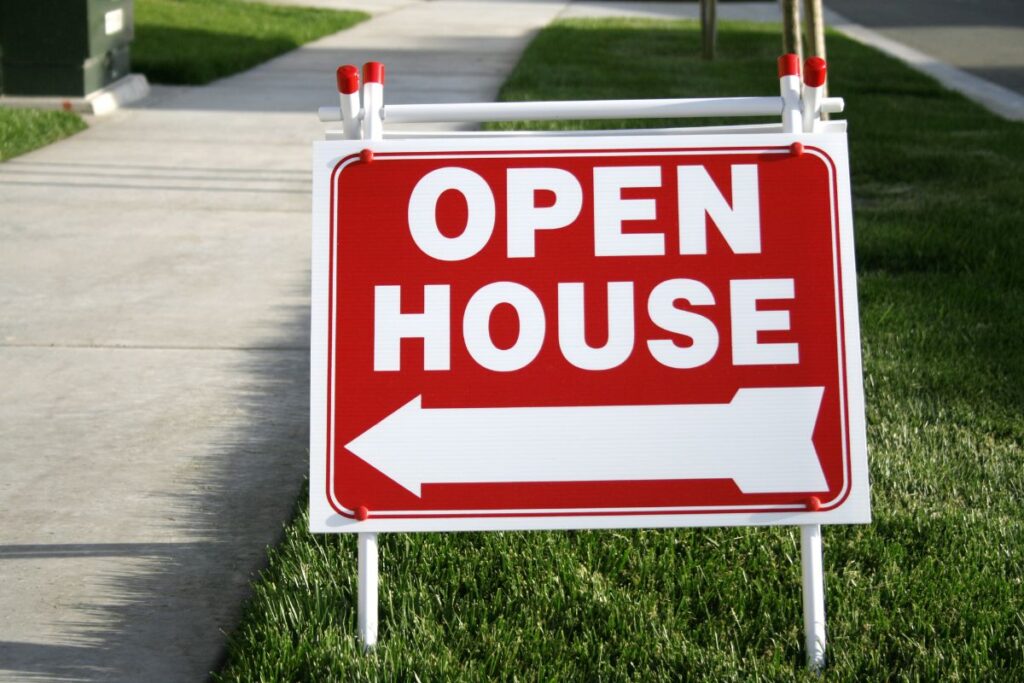
When you’re in the thick of house hunting, it’s easy to get caught up in the excitement — the fresh paint, the polished floors, the “this is the one” feeling. Somewhere along the way, most buyers ask themselves the same question: should I bring an inspector to the open house?
My answer? Yes — but the real question is when.
After years working in real estate and now as a home inspector, I’ve seen both sides of the coin. Some buyers spend thousands on early inspections they don’t end up needing. Others skip it entirely and end up facing issues that could have been caught with a trained eye.
So let’s talk about how to get the timing right.
The Pros and Cons of Bringing an Inspector Early
There are clear benefits to bringing an inspector in early. It can:
- Help you spot major red flags before you get emotionally attached.
- Strengthen your negotiation position if issues are uncovered.
- Save time if the property is clearly not worth pursuing.
But there are downsides too. Most open homes don’t allow inspectors to go crawling through the roof space or under the floor. Inspections take time, cost money, and may not be practical if you’re attending multiple properties in one weekend.
That’s why I usually tell clients: be observant first, check out our blog articles with some practical tips, and book an inspection when a home feels like a serious contender and you’re seriously thinking of putting on an offer.
When It Does Make Sense to Bring an Inspector
There are times when getting a professional opinion early can save you from a very expensive mistake.
For example:
- Older homes (pre-1980s), where you might find asbestos, ageing wiring, or foundation wear.
- Properties showing visible issues — cracks, damp patches, musty smells, or uneven floors.
- Large or complex properties, like acreage homes or steep blocks with retaining walls and long driveways.
- Hot markets, where buyers often need to make fast, unconditional offers.
In these cases, I recommend a pre-offer inspection, even if access is limited. Knowing what you’re walking into gives you confidence to make or walk away from an offer.
When It’s Fine to Wait Until After the Open House
If you’re just starting your search, or if the open home is your first look, you don’t always need an inspector right away.
Some situations where waiting makes sense include:
- You’re still comparing properties and not ready to make an offer.
- The home appears recently built or fully renovated (though you should still inspect before settlement).
- You need time to confirm finance or discuss repairs with your lender.
In these cases, take notes during the inspection, get a feel for any potential issues, and schedule a full inspection once you’re serious about buying.
What Buyers Can Check Themselves During an Open House
You don’t need tools or training to spot the obvious. Here’s a quick checklist of things you can look for yourself:
- Drainage: after rain, are there puddles or water marks near walls or driveways?
- Walls & ceilings: look for cracks, uneven paint, or fresh patches that might hide repairs.
- Doors & windows: do they open and close smoothly, or stick in the frame?
- Floors: do they feel level or bouncy when you walk?
- Smells: musty or damp odours often hint at moisture problems.
- Ventilation: is there condensation on windows or poor airflow in bathrooms?
- Roof & gutters: from the ground, check for sagging, rust or overflowing gutters.
These visual clues don’t replace an inspection — but they help you decide whether a property deserves one.
What Only a Professional Inspector Can Find
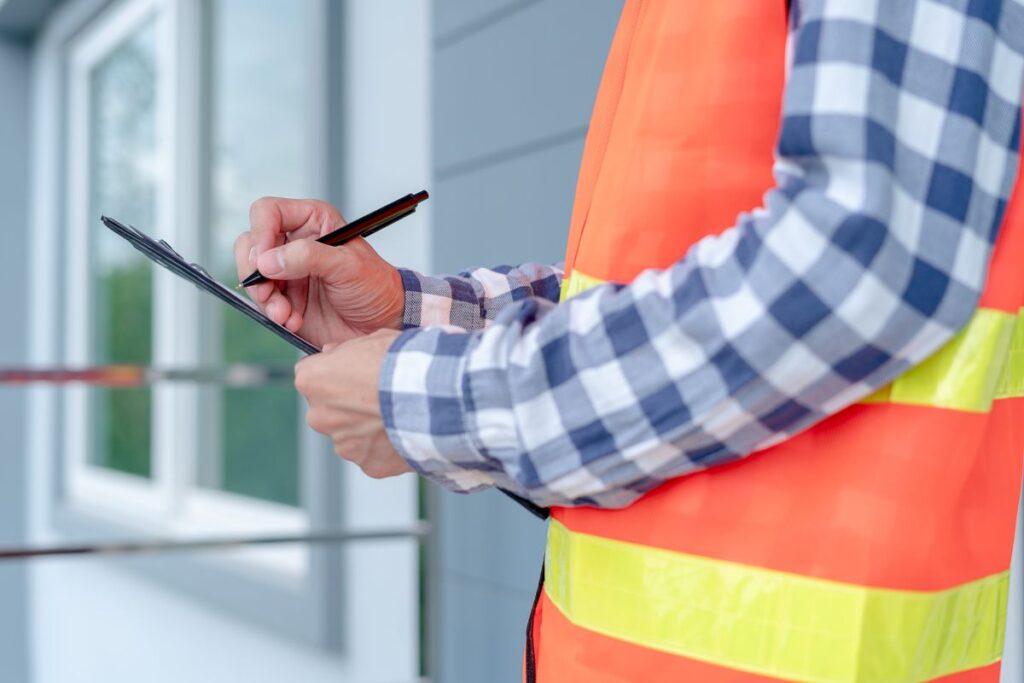
While a buyer can pick up surface issues, there’s a lot hidden behind walls and under floors.
A good inspector will check:
- Electrical systems: wiring, capacity and safety compliance.
- Plumbing: hidden leaks, water pressure, drainage and hot water systems.
- Roof structure and insulation: what you can’t see from ground level.
- Foundation movement or subfloor damage.
- Heating, cooling and ventilation systems.
We also use moisture meters, infrared cameras, and years of experience to detect problems that aren’t visible to the naked eye. In some cases, we’ll engage specialised tradespeople such as plumbers or electricians.
As I like to say, a good inspector doesn’t just spot problems — they understand how one issue affects the rest of the home. We can also estimate costs for fixing problems.
The Smart Way to Time Your Inspection
The best approach is a two-step strategy:
- At the open house: do your own basic checks. Take notes and photos.
- Before or immediately after making an offer: arrange a full, independent inspection.
In a competitive Brisbane housing market, you can request a pre-offer inspection or make your offer conditional on inspection results. That way, you can act quickly without sacrificing peace of mind.
As I often tell clients: be curious early, but be thorough when it counts.
Conclusion: Timing Is Everything
Bringing an inspector to an open house isn’t about yes or no — it’s about timing and strategy. The goal isn’t to inspect every property you visit, but to inspect the right one at the right time.
A few careful checks during an open house can save you from disappointment later, and a professional inspection can save you from five-figure surprises after you’ve signed.
If you’re ever unsure, reach out to Be Sure Home Inspection — I’m always happy to give advice on when it’s worth getting a professional eye involved. Because when it comes to buying a home, confidence comes from being sure.