
When you’re walking through a home inspection or open house, it’s easy to get distracted by the kitchen finishes or outdoor entertainment area. But one of the most telling parts of any property isn’t inside the home at all — it’s the driveway.
As someone who’s inspected hundreds of homes across Brisbane, I’ve learned that driveways often reveal more about a property’s condition than most buyers realise. Cracks, dips, stains or poor drainage aren’t just aesthetic issues — they can point to foundation movement, drainage problems, or long-term neglect.
Whether they are made of exposed aggregate concrete, asphalt or bitumen, driveways are super expensive to replace!
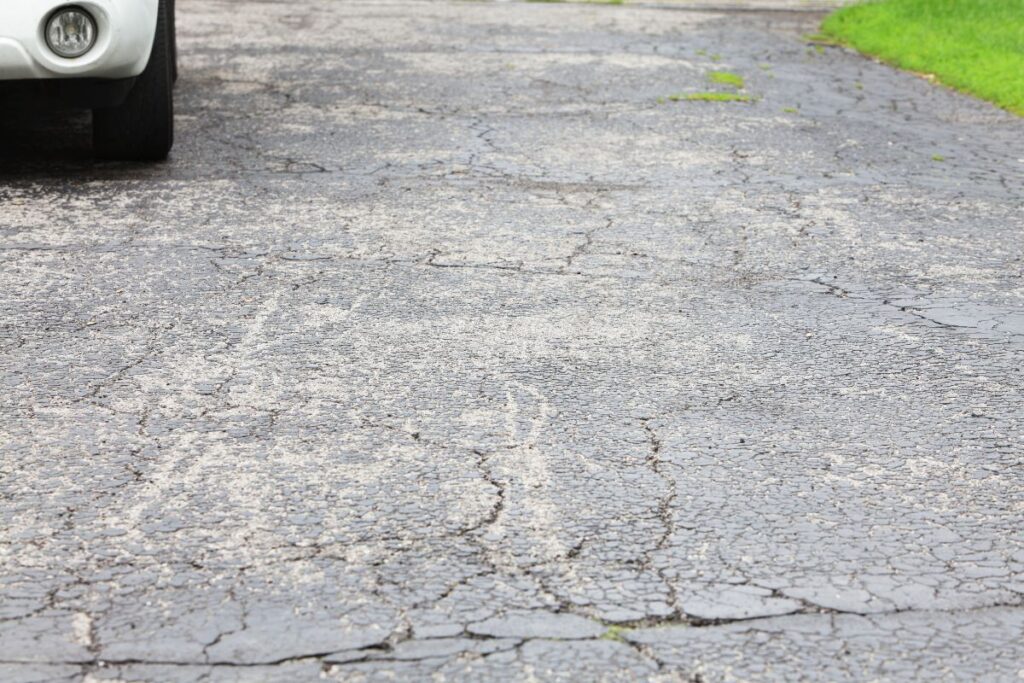
Cracks in Your Driveway: Not All Are Created Equal
A few fine, hairline cracks are usually nothing to worry about. They’re often caused by normal concrete shrinkage or temperature changes.
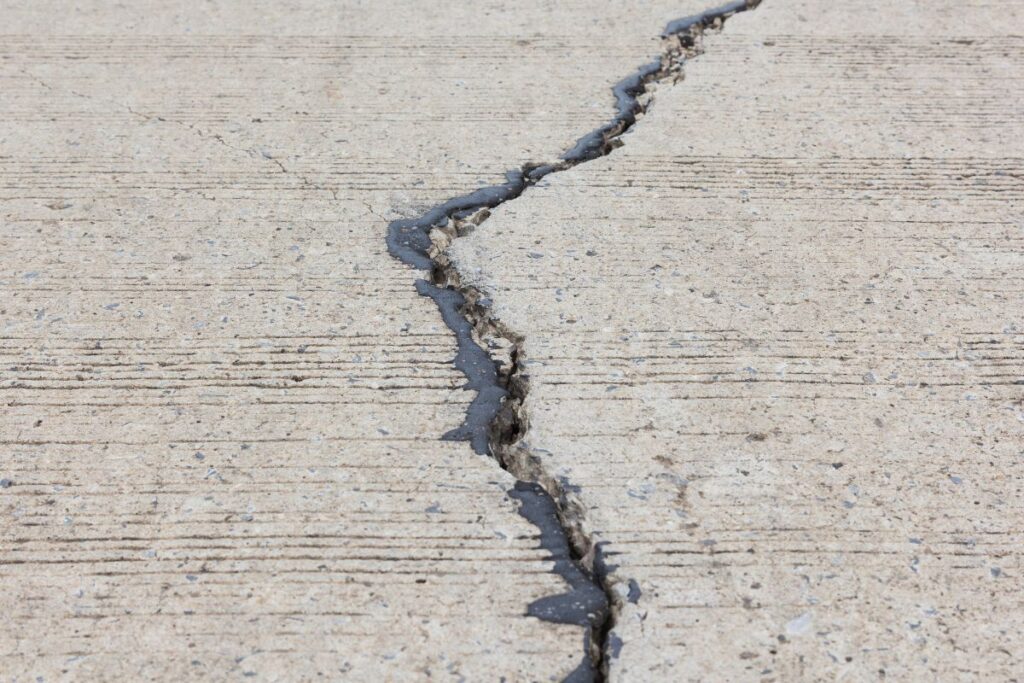
But wider, deeper cracks — especially those that look uneven or run towards the house — can signal something more serious.
In Brisbane’s northern suburbs, I’ve seen plenty of driveways crack because of reactive clay soils. These expand and contract with moisture, putting pressure on the concrete and sometimes the home’s foundations too. In other cases, cracks may form because the subgrade (the ground beneath the slab) wasn’t properly compacted before the driveway was poured.
When cracks appear in patterns or run in the same direction as house walls, it’s a good idea to have the foundation and site drainage checked before committing to a purchase.
Slopes and Uneven Surfaces: The Drainage Connection
A well-built driveway should always slope away from the home. This helps stormwater run off safely, instead of pooling near walls or foundations. If you notice dips, hollows or puddles after rain, that’s a sign of poor grading or ground movement underneath. Over time, this can lead to water flowing under the slab or into the garage — a common cause of dampness and basement seepage.
On acreage properties or larger blocks, the problem can be magnified by long, steep driveways and heavy runoff. At Be Sure Home Inspection, I often consult with Jack from Brisbane Bitumen Driveways for expert input on these kinds of sites. Jack’s experience with large-scale driveways and slope management helps ensure clients get an accurate understanding of potential repair costs and drainage fixes.
Stains, Discolouration and Water Marks
Stains can tell you a lot about how well a property’s been maintained.
- Oil or grease stains might seem harmless but can reveal a long history of poor upkeep or vehicle leaks.
- Rust-coloured streaks often indicate metal corrosion — sometimes from gates, retaining walls, or poorly sealed reinforcements under the concrete.
- Green or black patches of algae or mould usually mean constant moisture exposure — often due to poor drainage or shading that prevents surfaces from drying properly.
If the staining is concentrated near joints or edges, that’s often a sign that water regularly flows over that section, not just a one-off spill.
When Driveway Damage Signals Bigger Problems
A driveway in poor shape might not seem like a deal-breaker, but the underlying causes can be expensive to fix. I’ve inspected homes where the driveway was the first clue to drainage failures — blocked stormwater lines, leaking downpipes, or even subsiding ground near the foundation.
In one case, a home’s slab was cracking because the driveway was directing rainwater back toward the house for years. The owner thought they just needed a resurface; what they actually needed was a complete drainage redesign.
It’s worth noting that resurfacing a bitumen driveway in Brisbane can easily cost well over $15,000, especially if excavation or regrading is required. That’s why identifying the root cause before buying is so important.
What Driveway Checks Buyers Can Do During an Open House
You don’t need to be an inspector to spot early warning signs. When visiting a property:
- Look at how the driveway slopes — does it run away from the house or towards it?
- After rain, check for standing water or puddles.
- Note any cracks wider than 5 mm or uneven surfaces underfoot.
- Inspect where downpipes and drains meet the driveway — are they clear and well-positioned?
If several red flags show up, it’s worth arranging a professional inspection before you proceed. A detailed assessment will tell you if the problem is cosmetic or structural.
Conclusion: The Driveway Tells a Story
A clean, level driveway doesn’t just make a property look tidy — it’s a good sign that drainage, grading and site maintenance have been done properly.
But cracks, slopes and stains shouldn’t be ignored. They’re often the property’s way of telling you there’s something happening below the surface.
At Be Sure Home Inspection, my goal is to help you read those signs before they turn into costly surprises. And when needed, I’m not afraid to call in bitumen and asphalt specialists to make sure you have the full picture. After all, a driveway might seem like a small detail — but it can reveal a lot about how well the whole home has been built and cared for.